Origin Function and the Paths of Return to Embodiment
Read this first.
Further elaboration of how I perceive reality after my experiences in the luminous void, Kundalini awakening, and divine visions and interactions. This knowing is neither intellectual nor compiled from readings, but an unfolding of embodied knowing.
Many who undergo spiritual initiations through pre-existing systems have consciously committed to various deities and spiritual architectures. These commitments require enormous, lifechanging sacrifices. What continues to surprise me is that my mystical experiences came out of nowhere and had nothing to do with my cultural religious or spiritual context.
I suspect that the route back from the luminous void, if any is perceived, correlates with someone’s origin function. This is akin to what some people may call a “calling.” For instance, a person who encounters the Yemayá later in life may realize that this Yoruba Orisha had always influenced how they interacted with reality, but the encounter invites the person to choose or decline further devotion.
Every human is either a fractal of or a whole translation of their original architecture in the anterior realms—the realms of non-human, conscious intelligences often called gods, angels, and more. But only some end up “locking into” it in a specific lifetime. Others choose to remain only in the world of matter by living mostly horizontally.
Origin function is neither personality nor identity. Personality and identity, including cultural identity, are crucial building blocks of horizontality. Origin function becomes discernible and usable only through verticality because it is the answer the questions: What are you irrespective of your relationships and all the roles you have lived so far? What are you when you know not to expect anything, from anyone, ever? When the only witness to this you-ness might be Source?
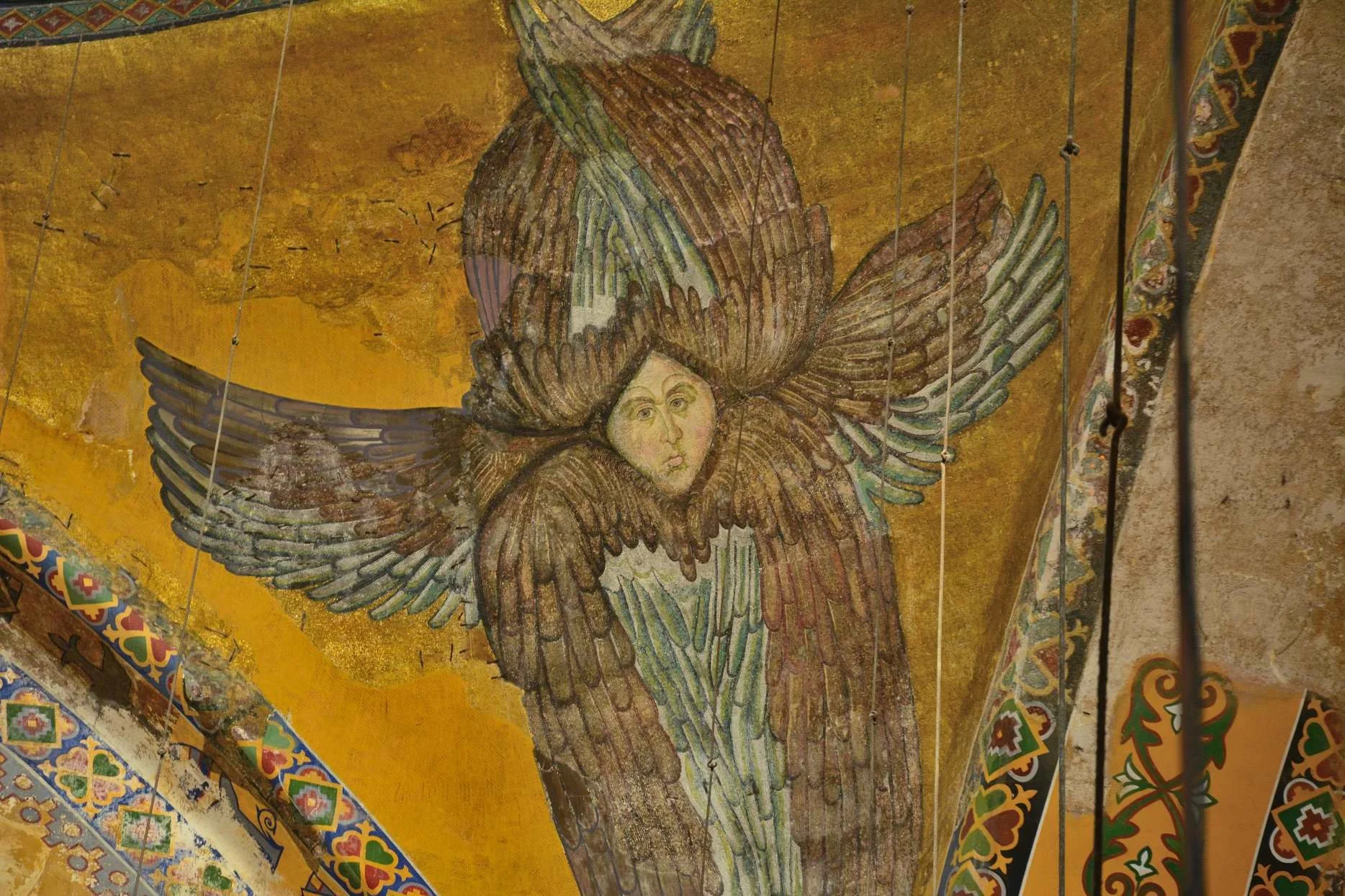
My origin function, which I remembered the instant I routed back from touching ocean floor, is a mix of pattern-detection (seraphic function), structural precision (Uriel function), and mischievous and erotic play and ornament (trickster and Eros archetypes). These archetypes and functions had always “worked through” me, but the experiences in the luminous void and the many mystical visions and encounters with these architectures and figures simply reconfirmed that knowing and forced the choice-point: would I devote myself further or allow the influence to remain diffuse? I chose devotion, which required extraordinary (and worthwhile) sacrifices, shedding, and transmutation. These continue, as the “decrypted file” continues to unfold in and through my body; I often wake up with new knowing. The transformation also continues to unfold because it must; both vertically and horizontally inclined organisms (by which I mean the physical, energetic, and eternal spark elements that together comprise the human), must remain responsive to real-time information, otherwise they risk stagnation and congealment. With congealment come the ego masks and performances, inhibiting the underlying architecture from vibrating in endless unfolding.
Other people’s origin functions may be characterized by other archetypes, and there are many of them. They may correlate more with archetypes and functions of healing, teaching, or service (e.g., Magdelene, Marian, and so on) or transformational and alchemical functions (e.g., Kali, Sekhmet, Merlin). At times, a person may work with architectures en route to their own “home” architecture (e.g., Kali appeared to me at a moment of deep grief and transmutation.) Some origin functions route through gods and goddesses associated with various indigenous and diasporic traditions, such as the aforementioned Yemayá, and may lead the Returnee into land and ancestral stewardship, which blend the horizontal-communal with the devotional vertical-multi-dimensional. Some origin functions, archetyped by the likes of Buddha, lean more ascetic and devotional, though the Buddha also involves service.[*]
Embodying origin function requires the shedding of the imposed horizontality—the relations that were never nourishing and were characterized by deep misunderstanding and flattening. But, paradoxically, it is only after the shedding of unchosen horizontality that the vertically inclined person may be able to attract—if desired—mutual and joyous relation.
_______
[*] This form of verticality is not to be confused with the avoidance of embodiment common to branded “ascension” paths; many monastic traditions around the world are deeply embodied.
Image: A seraph mosaic in the Hagia Sophia, circa 9th century CE. From World History Encyclopedia.